
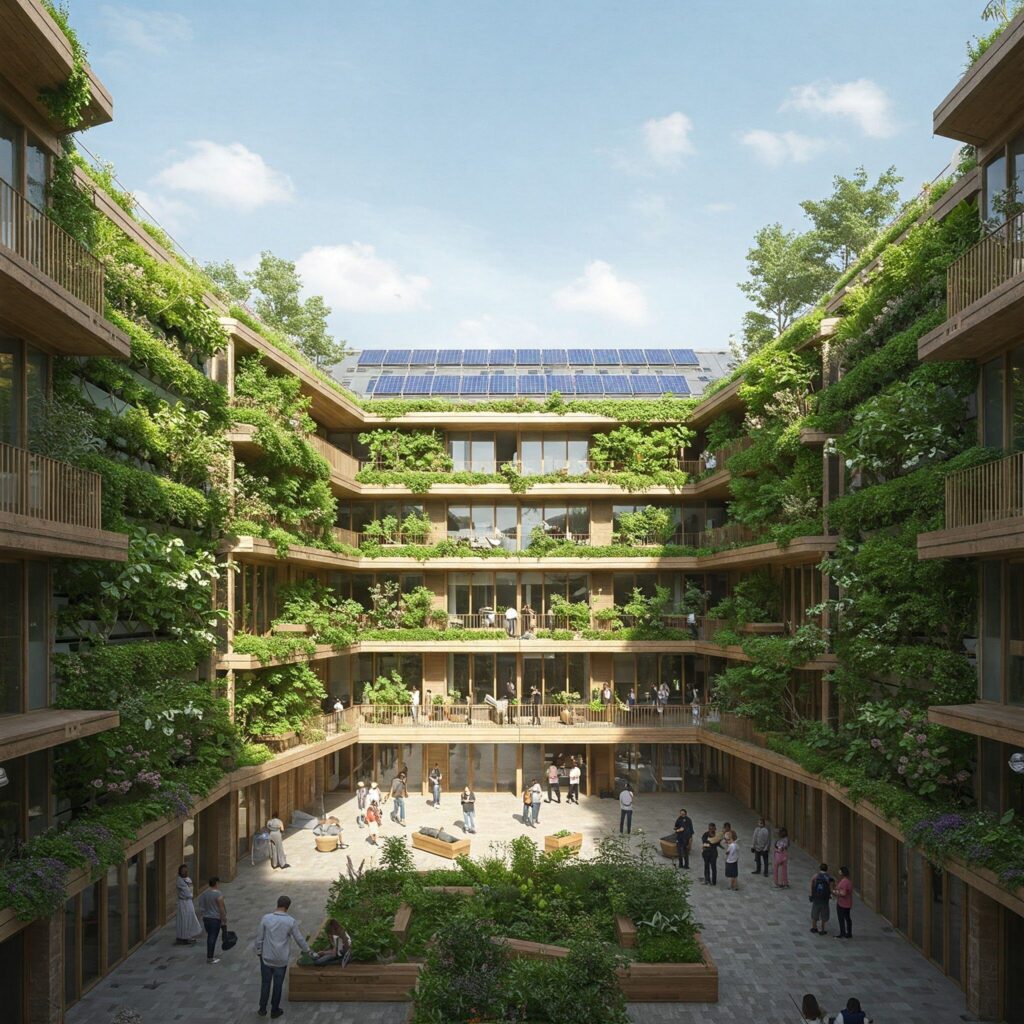
In today’s rapidly evolving world, Environmental, Social, and Governance (ESG) principles have transformed from mere investment criteria into comprehensive frameworks that guide responsible business practices across industries. ESG design represents the intentional integration of these principles into the creation of products, services, and built environments, offering a holistic approach that balances functionality, aesthetics, and sustainability. This article explores how ESG design is reshaping industries and creating value for businesses, society, and the planet.<br>
Understanding the Foundations of ESG Design
ESG design incorporates environmental stewardship, social responsibility, and ethical governance into every aspect of the design process. This approach extends far beyond superficial aesthetics to address pressing global challenges such as climate change, resource depletion, and social inequity. At its core, ESG design represents a fundamental shift in how we conceptualize and implement design strategies across disciplines.
The Environmental Pillar of ESG Design
The environmental component of ESG design examines a design’s impact on the natural world. This encompasses a company’s carbon footprint, including greenhouse gas emissions and decarbonization efforts. Environmental considerations in ESG design include:
- Sustainable Materials Selection: Prioritizing recycled, renewable, and responsibly sourced materials to minimize environmental impact
- Energy Efficiency: Designing products and buildings that consume less energy during production and use
- Waste Management: Implementing effective strategies for recycling, waste reduction, and resource conservation
- Water Conservation: Developing solutions that minimize water usage and promote responsible water management
- Biodiversity Protection: Creating designs that preserve and enhance natural ecosystems
According to research, ESG design can extend seasonal comfort in exterior spaces by approximately 30% through innovative approaches to thermal performance, even in severe climates. This demonstrates how environmental considerations can simultaneously improve user experience and sustainability outcomes.
The Social Dimension in Design
The social pillar of ESG design focuses on relationships with stakeholders, including employees, customers, suppliers, and communities. Key social considerations include:
- Accessibility and Inclusivity: Ensuring designs are usable by people of all abilities and backgrounds
- User Privacy and Data Protection: Implementing responsible practices for data collection, storage, and usage
- Community Engagement: Involving local communities in design processes to address their specific needs
- Fair Labor Practices: Ensuring ethical working conditions throughout supply chains
- Diversity and Inclusion: Promoting diverse perspectives within design teams and creating solutions that serve diverse populations
ESG design recognizes that business success is intrinsically linked to the well-being and ethical treatment of all stakeholders. By translating these values into tangible and inclusive products and services, designers can create solutions that contribute to social equity and inclusion.
Governance Principles in Design
The governance pillar relates to leadership, management practices, and internal controls that ensure accountability and ethical decision-making. In design contexts, governance considerations include:
- Transparent Decision-Making: Maintaining clear processes and communication throughout design projects
- Ethical Business Practices: Avoiding corruption and upholding high standards of integrity
- Regulatory Compliance: Adhering to relevant laws and industry standards
- Stakeholder Engagement: Involving key stakeholders in design decisions and governance structures
- Risk Management: Identifying and addressing potential ESG risks in design projects
Strong governance is foundational to ensuring accountability, transparency, and ethical decision-making within design practices. Embedding ESG principles into governance structures ensures that sustainability and ethical considerations become central to organizational decisions.
Integrating ESG Principles into Design Methodologies
The successful integration of ESG principles into design requires structured approaches that permeate the entire lifecycle of products, services, and systems. Design thinking offers a valuable framework for this integration, emphasizing human-centered approaches while considering broader environmental and social impacts.
Design Thinking and ESG Integration
Design thinking has evolved from a user-centered approach to a humanity-centered methodology that considers people, products, and the planet. This evolution aligns perfectly with ESG objectives, as both frameworks prioritize holistic problem-solving and sustainable outcomes. Key principles include:
- Empathizing with end-users while considering broader stakeholder impacts
- Embracing ambiguity and diversity to discover innovative ESG solutions
- Fostering radical collaboration across disciplines and stakeholder groups
- Co-creating impactful solutions that address multiple ESG dimensions
- Implementing and iterating based on measurable ESG outcomes
The iterative nature of design thinking makes it particularly valuable for ESG integration, allowing designers to continuously refine solutions in response to evolving sustainability challenges and standards.
ESG Audits and Performance Measurement
Conducting thorough ESG audits within the design function serves as a foundational step for integration. These audits evaluate existing design processes against ESG criteria, establishing clear roadmaps for improvement. Key steps include:
- Defining relevant Key Performance Indicators (KPIs) specific to ESG design
- Setting clear targets and timelines for ESG integration
- Implementing changes to design processes and workflows
- Monitoring and reporting progress through transparent mechanisms
- Continuously improving based on outcomes and emerging best practices
By adopting a value-led sustainability approach, organizations can create designs that generate value not only for the business but also for society and the planet. This proactive approach ensures that ESG considerations become fundamental to design strategy rather than afterthoughts.
Key Principles and Considerations in ESG Design
Effective ESG design embraces specific principles that guide decision-making across the design lifecycle, from concept development to end-of-life considerations. These principles help designers create solutions that balance environmental, social, and governance objectives.
Sustainable Design Practices
Sustainability stands as a cornerstone of ESG design, requiring designers to consider environmental impacts throughout a product’s or service’s lifecycle:
- Circular Design: Creating products designed for durability, reuse, recycling, and repairability
- Biophilic Design: Integrating natural elements like living walls and natural light to improve wellbeing
- Energy-Efficient Solutions: Implementing high-quality insulation, energy-efficient appliances, and renewable energy sources
- Lifecycle Assessment: Evaluating environmental impacts across the entire product lifespan
- Dematerialization: Using less material in both products and packaging to reduce resource consumption
These sustainable design practices help minimize environmental footprints while often improving user experience and reducing long-term operational costs.
Ethical Design Considerations
Ethical considerations extend beyond environmental concerns to encompass user rights, wellbeing, and broader societal impacts:
- User Privacy: Implementing responsible data collection practices and transparent policies
- Accessibility: Ensuring products and services are usable by people with diverse abilities
- Avoiding Bias: Designing algorithms and systems that are fair and non-discriminatory
- Product Safety: Ensuring designs fulfill their intended purpose without causing harm
- Digital Wellbeing: Creating products that promote healthy relationships with technology
Ethical design builds trust with users and stakeholders, creating long-term value through responsible innovation and transparent practices.
Social Impact Design
The social dimensions of ESG design focus on creating positive impacts for diverse stakeholders:
- Community Engagement: Involving local communities in design processes to address specific needs
- Fair Labor Practices: Ensuring ethical working conditions throughout supply chains
- Human Rights: Respecting fundamental rights in all aspects of design and production
- Diversity and Inclusion: Creating products and services that serve diverse populations
- Wellbeing: Considering ergonomics, work-life balance, and community impact in design decisions
By prioritizing social impact, designers can create solutions that contribute to more equitable and inclusive communities while strengthening stakeholder relationships.
ESG Design in Action: Industry Examples
ESG design principles are being implemented across diverse industries, demonstrating their versatility and impact. These examples showcase how environmental, social, and governance considerations are reshaping design practices worldwide.
Sustainable Architecture and Urban Planning
Architecture and urban planning have embraced ESG principles through innovative approaches to sustainable building design:
- Gardens by the Bay (Singapore): Features renewable energy sources and strategic use of natural resources to create a sustainable urban oasis
- Museum of Tomorrow (Brazil): Constructed from locally sourced materials with solar panels and rainwater harvesting systems
- CopenHill (Denmark): Combines waste-to-energy functionality with recreational space, demonstrating innovative infrastructure design
- Bosco Verticale (Italy): Residential towers with extensive vegetation that improves air quality and provides natural insulation
- Friendship Hospital (Bangladesh): Utilizes passive design principles for natural ventilation and temperature regulation
These examples illustrate how architectural design can prioritize sustainability through material choices, energy efficiency, and integration with natural environments.
Eco-friendly Product Design and Manufacturing
Product designers are increasingly incorporating ESG principles into their creation processes:
- Fairphone: Designs smartphones using responsibly sourced materials and modular components for easy repair and upgrading
- On Running: Developed fully recyclable footwear with a subscription model that promotes circular economy principles
- Volvo Cars: Committed to becoming a circular business by 2040, increasing recycled materials use and remanufacturing parts
These companies demonstrate how product design can embrace sustainability throughout the entire lifecycle, from material sourcing to end-of-life management.
Ethical and Sustainable Fashion Design
The fashion industry is witnessing growing adoption of ESG principles:
- Stella McCartney: Pioneers cruelty-free fashion with innovative eco-friendly materials like regenerated cashmere and sustainable viscose
- Agyesh Madan: Emphasizes ethical fashion through organic fibers and waste reduction through upcycling techniques
These designers showcase how fashion can embrace sustainability and ethical considerations without compromising style or quality.
Inclusive and Responsible UX/UI Design
Digital experiences are increasingly designed with accessibility and ethics in mind:
- Prioritizing accessibility for users of all abilities
- Upholding data privacy and security standards
- Avoiding manipulative design practices like dark patterns
- Considering diverse user demographics and cultural backgrounds
Responsible UX/UI design ensures digital products are usable, beneficial, and ethical for everyone who interacts with them.
The Benefits of ESG Design
Embracing ESG principles in design yields numerous advantages spanning environmental, social, and economic domains.
Environmental Benefits
ESG design contributes to environmental sustainability through:
- Resource Conservation: Promoting sustainable materials and minimizing waste
- Energy Efficiency: Reducing energy consumption and carbon footprints
- Water Conservation: Protecting vital water resources through efficient design
- Ecosystem Protection: Minimizing negative impacts on biodiversity
- Circular Economy: Optimizing performance while reducing environmental footprints
These environmental benefits help address climate change and resource depletion while creating more sustainable systems and products.
Social Advantages
The social benefits of ESG design include:
- Enhanced Wellbeing: Creating healthier environments through improved indoor air quality and access to natural light
- Improved Productivity: Integrating ergonomic principles and promoting work-life balance
- Accessibility and Inclusivity: Ensuring usability for individuals of all abilities
- Community Connection: Creating spaces and solutions that benefit diverse populations
- User Trust: Building stronger relationships through ethical design practices
These social advantages contribute to more equitable and inclusive communities while enhancing quality of life for users and stakeholders.
Economic Value
From an economic standpoint, ESG design offers significant advantages:
- Competitive Edge: Attracting environmentally and socially conscious consumers and investors
- Risk Management: Enhancing organizational resilience through proactive ESG strategies
- Brand Reputation: Improving company image and attracting talent
- Cost Savings: Implementing energy and resource-efficient designs that reduce operating costs
- Market Premium: Commanding higher property values and increased marketability
- Innovation Driver: Developing new sustainable products and opening business opportunities
- Investment Attraction: Securing green loans and attracting ESG-focused investments
These economic benefits demonstrate that ESG design is not only an ethical imperative but also a strategic business decision that creates long-term value.
Navigating the Challenges of ESG Design
Despite its benefits, implementing ESG design principles presents several challenges that organizations must navigate.
Common Obstacles in ESG Implementation
Organizations often encounter obstacles when integrating ESG principles into design practices:
- Strategy Definition: Developing comprehensive ESG strategies that align with business objectives
- Implementation Complexity: Securing buy-in and resources across organizational levels
- Data Reliability: Obtaining accurate measurements to assess ESG performance
- Stakeholder Engagement: Effectively communicating with diverse stakeholder groups
- Internal Resistance: Overcoming reluctance to adopt new methodologies
- Supply Chain Compliance: Ensuring suppliers adhere to ethical and sustainable standards
- Regulatory Navigation: Adapting to evolving ESG regulations and reporting standards
- Cost Considerations: Balancing sustainable practices with competitive pricing
- Consumer Expectations: Meeting demands for quality and affordability while maintaining sustainability
These challenges require thoughtful strategies and organizational commitment to overcome.
Strategies for Overcoming Barriers
Successful ESG design implementation requires multifaceted approaches:
- Clear Vision: Developing explicit strategies for ethical procurement and ESG integration
- Supply Chain Assessment: Conducting thorough evaluations to identify ESG impacts
- Measurable Goals: Establishing clear objectives aligned with industry standards
- Stakeholder Collaboration: Engaging suppliers and partners to address sustainability challenges
- Expert Consultation: Leveraging external resources for guidance and support
- Technology Solutions: Implementing systems for automated data collection and transparency
- Cost-Benefit Analysis: Highlighting long-term advantages of ethical design
- Education Initiatives: Informing stakeholders about ESG benefits
- Industry Collaboration: Participating in forums to develop standardized approaches
- Strategic Prioritization: Focusing resources on material ESG issues
- Transparency Commitment: Maintaining authenticity in all sustainability efforts
By addressing these challenges systematically, organizations can successfully integrate ESG principles into their design practices and realize their benefits.
Frameworks, Guidelines, and Resources for ESG Design
Various frameworks and resources support the integration of ESG principles into design practices, providing structure and guidance for implementation.
ESG Reporting Frameworks
Structured approaches for disclosing ESG performance help organizations measure and communicate their impact:
- Global Reporting Initiative (GRI): Focuses on material issues relevant to diverse stakeholders
- Sustainability Accounting Standards Board (SASB): Provides industry-specific standards for reporting
- Task Force on Climate-related Financial Disclosures (TCFD): Offers recommendations for climate-related risk reporting
- Carbon Disclosure Project (CDP): Helps institutions report environmental impacts
These frameworks help designers understand which ESG factors are most relevant to their operations and how to measure performance effectively.
Ethical Design Guidelines
Ethical principles provide a moral compass for responsible innovation:
- Fairness and Transparency: Ensuring designs are honest and understandable
- Inclusivity and Accessibility: Creating solutions usable by all people
- Privacy and Data Protection: Implementing robust safeguards for user information
- Sustainability Focus: Minimizing environmental impacts through design choices
- User-Centered Approaches: Engaging users in the design process
- Accountability: Taking responsibility for design decisions and consequences
These guidelines help ensure that design practices align with ethical standards and create positive societal impact.
Organizations and Resources
Numerous organizations and resources support sustainable and ethical design:
- ASID National Sustainability: Promotes sustainability within design industries
- Architecture 2030: Advocates for carbon-neutral built environments
- International WELL Building Institute: Offers standards for creating healthy spaces
- Building Green: Provides guidance on sustainable materials
- Cradle to Cradle Products Innovation Institute: Supports circular product design
- AIA Framework for Design Excellence: Offers principles for sustainable architecture
- Fair Patterns: Provides guidance on ethical design principles
These resources offer valuable knowledge, tools, and networks for designers integrating ESG principles into their work.
The Future Landscape of ESG Design
The future of ESG design will be shaped by emerging trends and increasing regulatory requirements, presenting both opportunities and responsibilities for designers.
Emerging Trends
Several trends are driving the evolution of ESG design:
- Rising Consumer Demand: Growing willingness to pay premiums for sustainable products
- Transparency Expectations: Increasing demand for traceability in product origins and impacts
- Technological Advancements: AI-driven analytics and renewable energy making sustainability more feasible
- Circular Economy Mainstreaming: Innovations in recycling technologies supporting resource management
- Core Business Integration: ESG considerations becoming central to business strategies
- Climate Resilience Focus: Growing emphasis on adaptation to climate impacts
- Social Issue Prominence: Increasing attention to human rights, labor practices, and diversity
These trends indicate that ESG design will become increasingly important across industries and disciplines.
Regulatory Developments
Regulations are playing a critical role in shaping ESG design practices:
- Mandatory Reporting: Shift from voluntary to required ESG disclosures
- Climate Disclosure Rules: Enhanced requirements for public companies
- Sustainability Reporting Directives: Expanded reporting obligations in the EU
- Eco-design Regulations: New standards for product sustainability
- Supply Chain Due Diligence: Increased focus on ethical sourcing
- Greenwashing Scrutiny: Greater oversight of ESG claims
These regulatory developments will push businesses toward greater accountability and deeper integration of ESG principles into design practices.
Conclusion: The Transformative Potential of ESG Design
ESG design represents a critical evolution in how we approach the creation of products, services, and systems. By integrating environmental, social, and governance principles into design processes, organizations can address pressing global challenges while creating value for businesses, communities, and the planet.
The shift from traditional design paradigms to ESG-conscious approaches requires rethinking material selection, production methods, user experience, and business models. As consumer awareness and regulatory pressures intensify, ESG design will become increasingly essential for business success and societal wellbeing.
Designers, with their ability to envision and shape the future, play a crucial role in driving this transformation. By embracing sustainability, ethics, and social impact as core tenets of their practice, designers can contribute to creating a more resilient, equitable, and environmentally sound world for generations to come.
The journey toward comprehensive ESG design is challenging but necessary. Organizations that successfully navigate this transition will be better positioned to thrive in an increasingly conscious marketplace while making meaningful contributions to addressing our most pressing global challenges.