
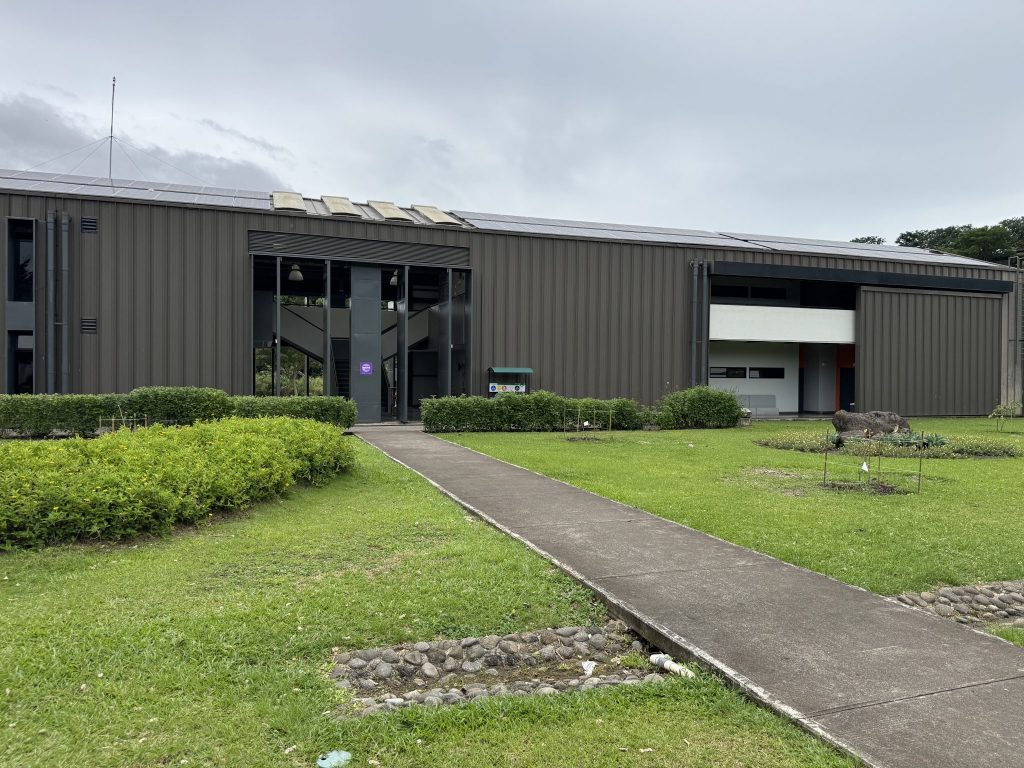
Energy efficient building design is the practice of shaping a building’s form, envelope, systems and controls so that it needs far less energy to stay comfortable. In late October 2026 the COP31 Presidency of Türkiye, together with the UNEP-hosted GlobalABC secretariat, launched the Antalya Compact for Energy Efficient Buildings, a framework that countries can endorse and that backs a 2035 goal of cutting the operational energy intensity of the global building stock by 25%.
Key takeaways
- Energy efficient building design cuts demand first (form, envelope, daylight), then meets what is left with efficient systems and, last, renewable supply.
- Buildings account for around 30% of global final energy consumption, according to the International Energy Agency, so design choices made early have a large effect.
- The Antalya Compact for Energy Efficient Buildings was launched in late October 2026 and is open for endorsement by all Parties to the UN climate talks.
- COP31 is scheduled for 9 to 20 November 2026 in Antalya, Türkiye, so the Compact will be discussed there.
- An energy efficient building is not the same as a net zero building: efficiency is the base, and net zero adds on-site or purchased clean energy.
What is energy efficient building design?
Energy efficient building design means planning a building so that heating, cooling, lighting and ventilation use as little energy as possible while keeping people comfortable. The usual order of work is to reduce demand through the shape and fabric of the building, to supply the remaining demand with efficient equipment, and only then to add renewable generation.
Designers measure the result as operational energy intensity, usually kilowatt-hours per square metre per year. That is the same kind of measure the Antalya Compact uses for its 25% target, which makes it a practical number to track from the first sketch to the occupied building.
How does an energy efficient building work?
Form, orientation and daylight
A compact form loses less heat than a sprawling one, and a building turned to the sun can use free warmth in winter. Well-placed windows bring in daylight, which reduces the need for electric lighting, while fixed or adjustable shading keeps summer sun off the glass.
The building envelope
The envelope is the roof, walls, floor and glazing. Continuous insulation, good airtightness and high-performance windows keep heat where you want it. Because the envelope is expensive to change later, it is where design decisions have the longest effect.
Efficient systems and controls
Heat pumps, heat-recovery ventilation, efficient lighting and smart controls then supply what the envelope cannot avoid. Electric heat pumps move heat instead of generating it, so they deliver much more heat than the electricity they consume, which is one reason electrification and efficiency appear together in the Compact.
What is the Antalya Compact for Energy Efficient Buildings?
The Antalya Compact for Energy Efficient Buildings is a framework developed by the COP31 Presidency of Türkiye with the GlobalABC secretariat, which is hosted by the UN Environment Programme. It is open for endorsement by all Parties, and it is not a regulation: it sets out actions for governments, cities, financiers and industry.
It supports two of the Presidency’s global targets for 2035: a 25% reduction in the operational energy intensity of the global building stock, and faster electrification in support of the “35-by-35” goal for electricity’s share of global energy consumption. Its priority areas include national strategies, building performance, renovation, electrification, flexibility for energy systems, and finance and capacity for scaling up.
COP31 is scheduled to run from 9 to 20 November 2026 in Antalya. Until then the Compact is a signal of direction rather than a set of rules, and the details of endorsement will become clearer during the conference.
Why does this matter for architects and designers?
A target expressed as energy intensity speaks directly to design teams. It rewards decisions that are made early, such as massing, window-to-wall ratios, insulation levels and system choice, and it is easier to verify than a general promise to be “green”.
The same direction is visible in the industry. Greenbuild 2026 took place at the Javits Center in New York from 20 to 23 October 2026, the first time the conference has been held in New York City, with LEED v5 sessions on the programme. Rating systems and policy targets are converging on measured building performance.
Energy use is also only one part of a building’s climate impact. Materials and construction add embodied carbon, which our guide to embodied carbon explains, and the broader design picture is covered in our article on sustainable design in architecture.
How do you start an energy efficient design?
- Set an energy intensity target in kilowatt-hours per square metre per year at the start of the brief.
- Test building form, orientation and window sizes with simple energy models before details are fixed.
- Specify a continuous, airtight envelope with high-performance glazing and shading.
- Choose efficient, electric heating and cooling, with heat recovery and controls that match real occupancy.
- Measure energy use after handover and compare it with the design target.
Frequently asked questions
What makes a building energy efficient?
A building is energy efficient when it delivers comfort with low energy demand. That comes from a compact form, good orientation, daylight, a well-insulated and airtight envelope, high-performance windows and efficient, well-controlled systems. The result is shown by measured energy use per square metre, not by a label alone.
What is the Antalya Compact for Energy Efficient Buildings?
It is a framework launched in late October 2026 by the COP31 Presidency of Türkiye with the GlobalABC secretariat. It is open for endorsement by all Parties and supports a 2035 goal of cutting the operational energy intensity of the global building stock by 25%, alongside faster electrification.
How is an energy efficient building different from a net zero building?
An energy efficient building uses little energy. A net zero building goes further by balancing its remaining energy use with clean energy, on site or elsewhere. Efficiency comes first because it makes net zero cheaper and easier to reach, as we explain in our article on what a net zero building is.